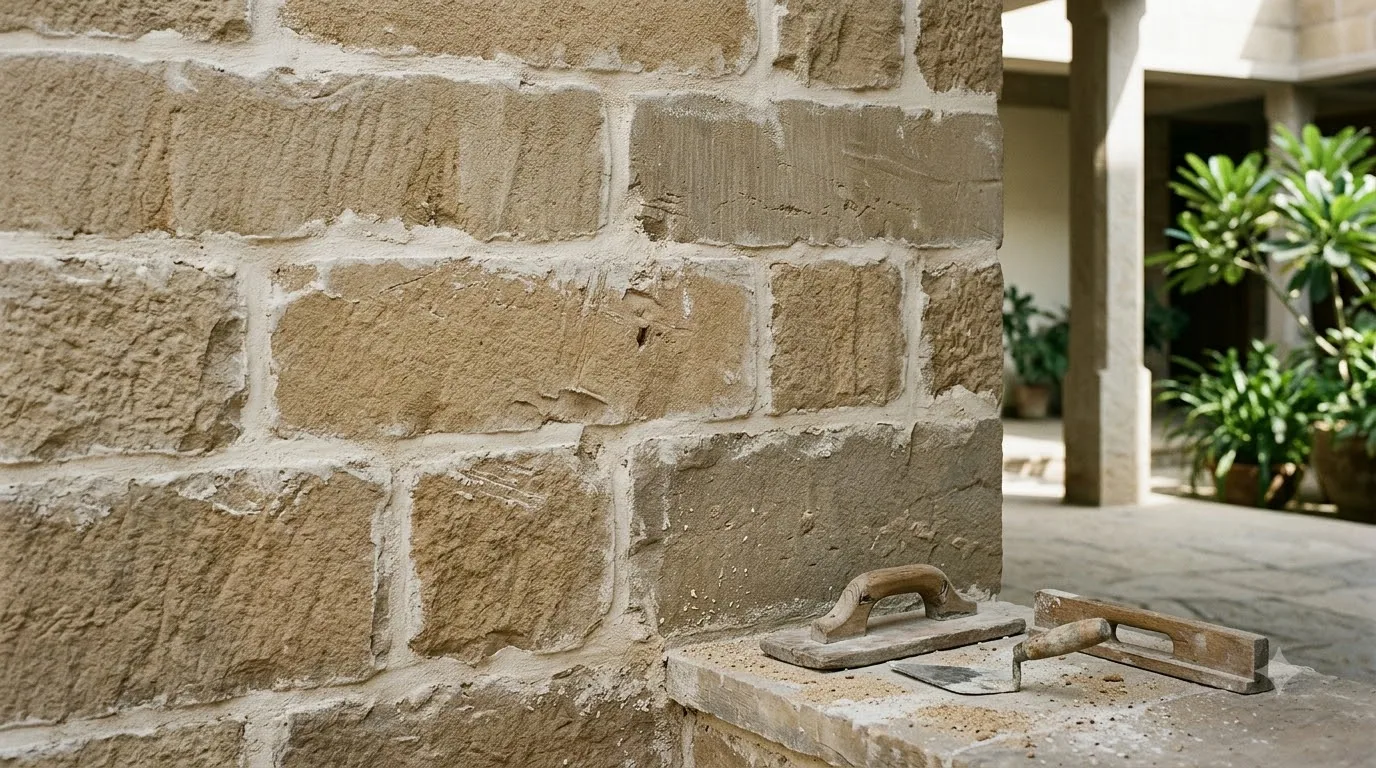
A natural binder, historically proven.
Lime Mortar
A breathable binder used for centuries — allowing walls to regulate moisture and age gracefully.
- Natural binder
- Breathable
- Historically proven
- Low embodied energy
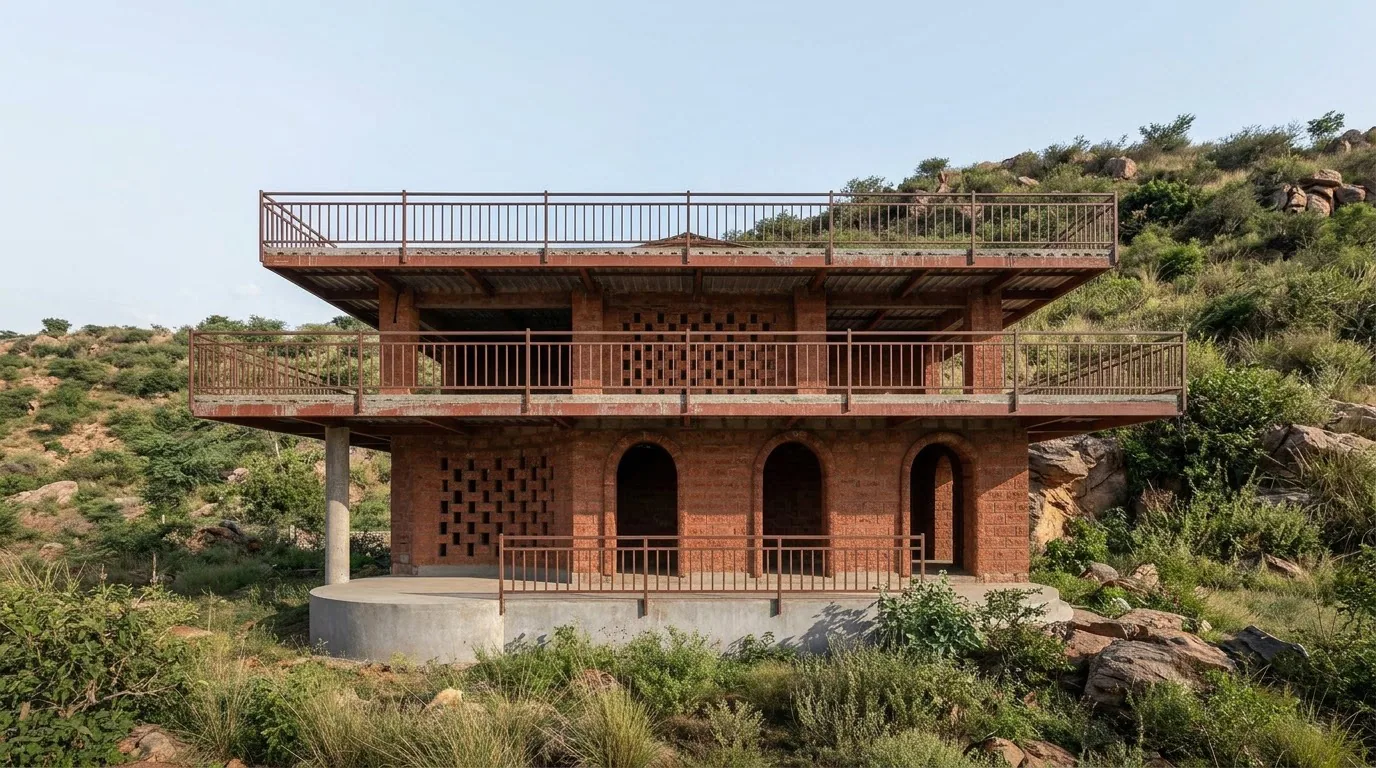
A serious architectural discipline — not greenery bolted on, but intelligence built into every material, method and decision.
Material Intelligence · Energy · Long-term performance
Kumbhkalp believes architecture should improve quality of life while working within the limits of the natural environment. Sustainability isn’t about adding visible eco-technology — it’s about understanding how materials, construction methods, climate response and long-term performance combine to make better buildings.
It’s intelligent, practical and architectural. Considered quietly, throughout — never preached.
Sustainability begins with understanding what we build with. These are some of the materials and methods we return to — chosen for how they perform, not how they look.
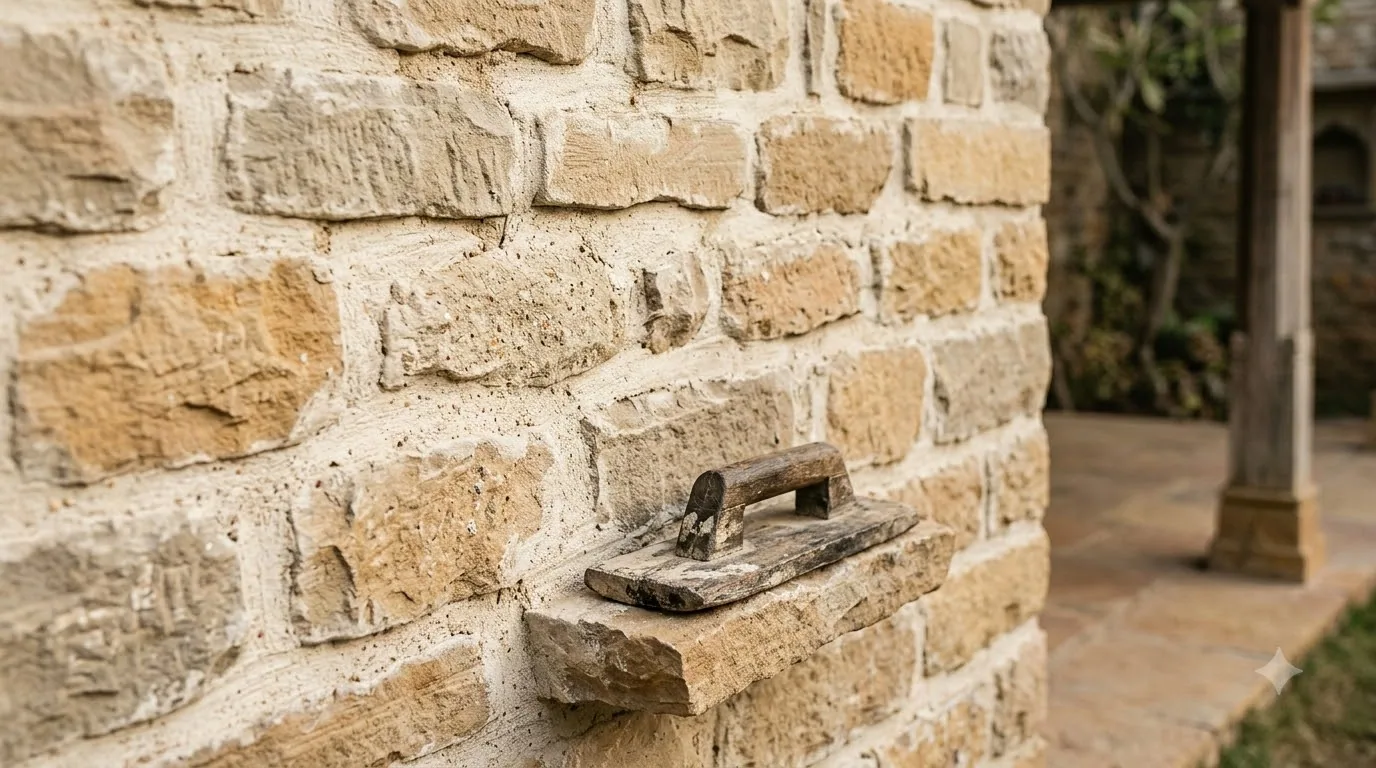
A natural binder, historically proven.
A breathable binder used for centuries — allowing walls to regulate moisture and age gracefully.
High thermal mass, locally relevant.
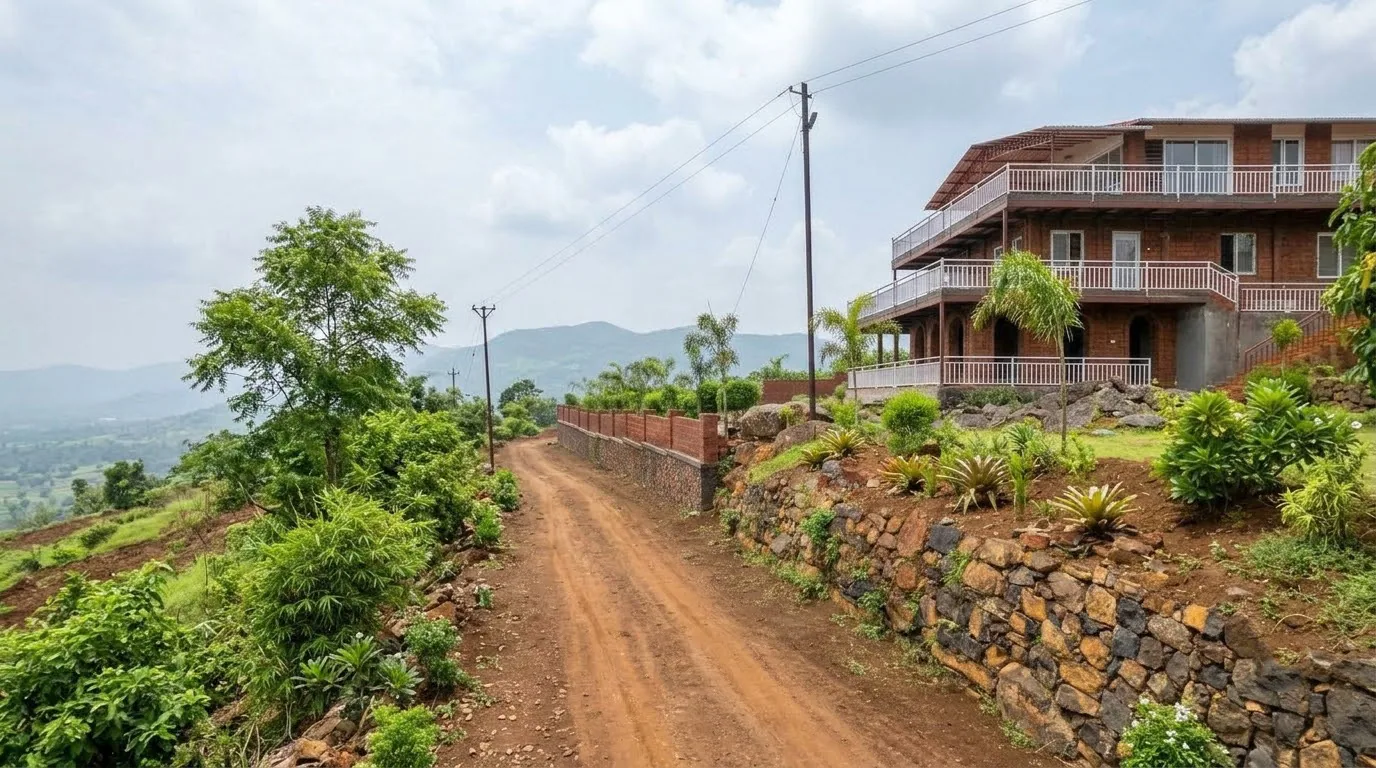
Quarried close to site, laterite and natural stone hold temperature and reduce processing energy.
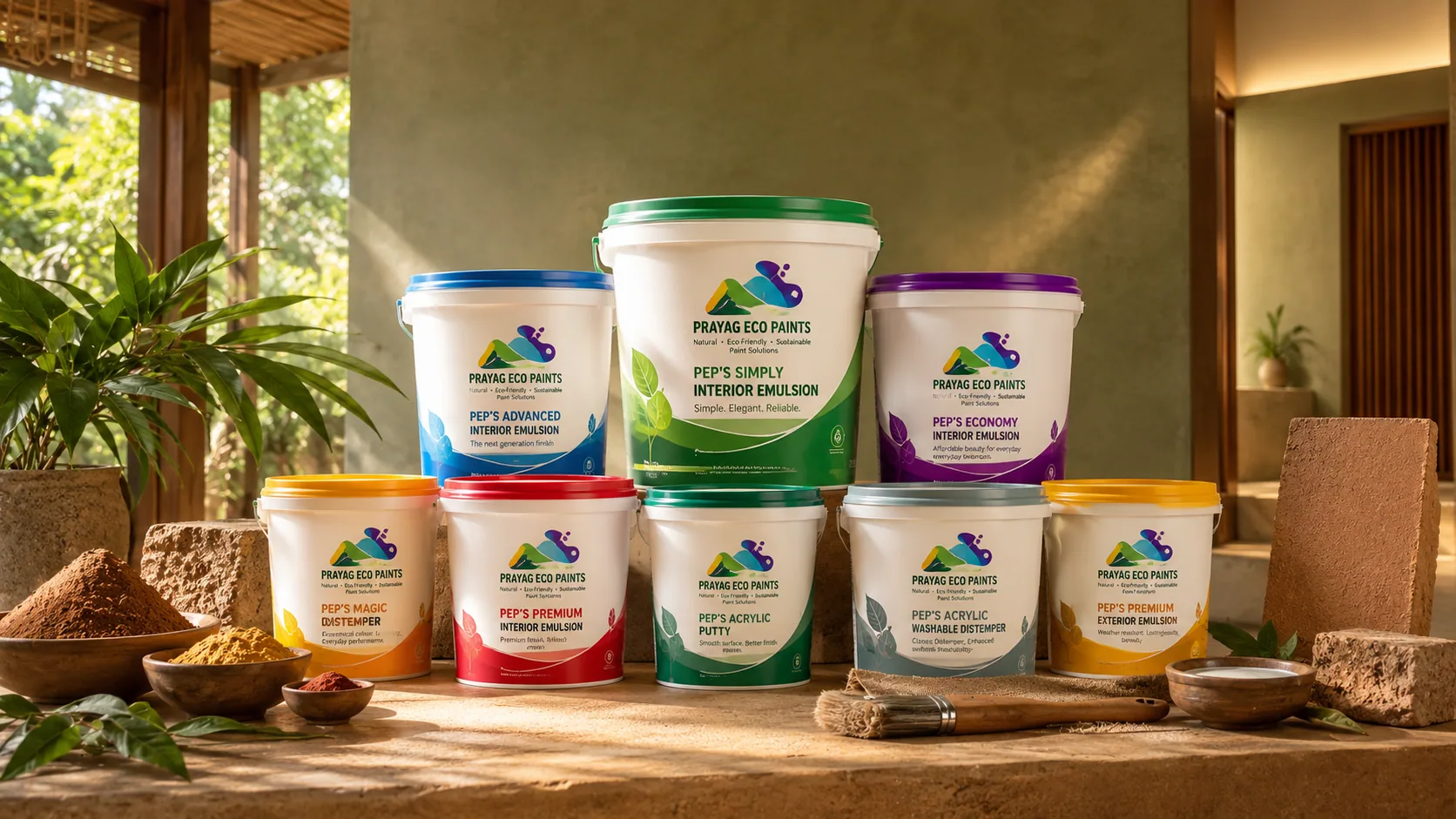
Low-impact finishes, naturally made.
Natural, breathable paint systems — including cow-dung-based and mineral finishes — explored for low-odour, low-impact interiors and exteriors.
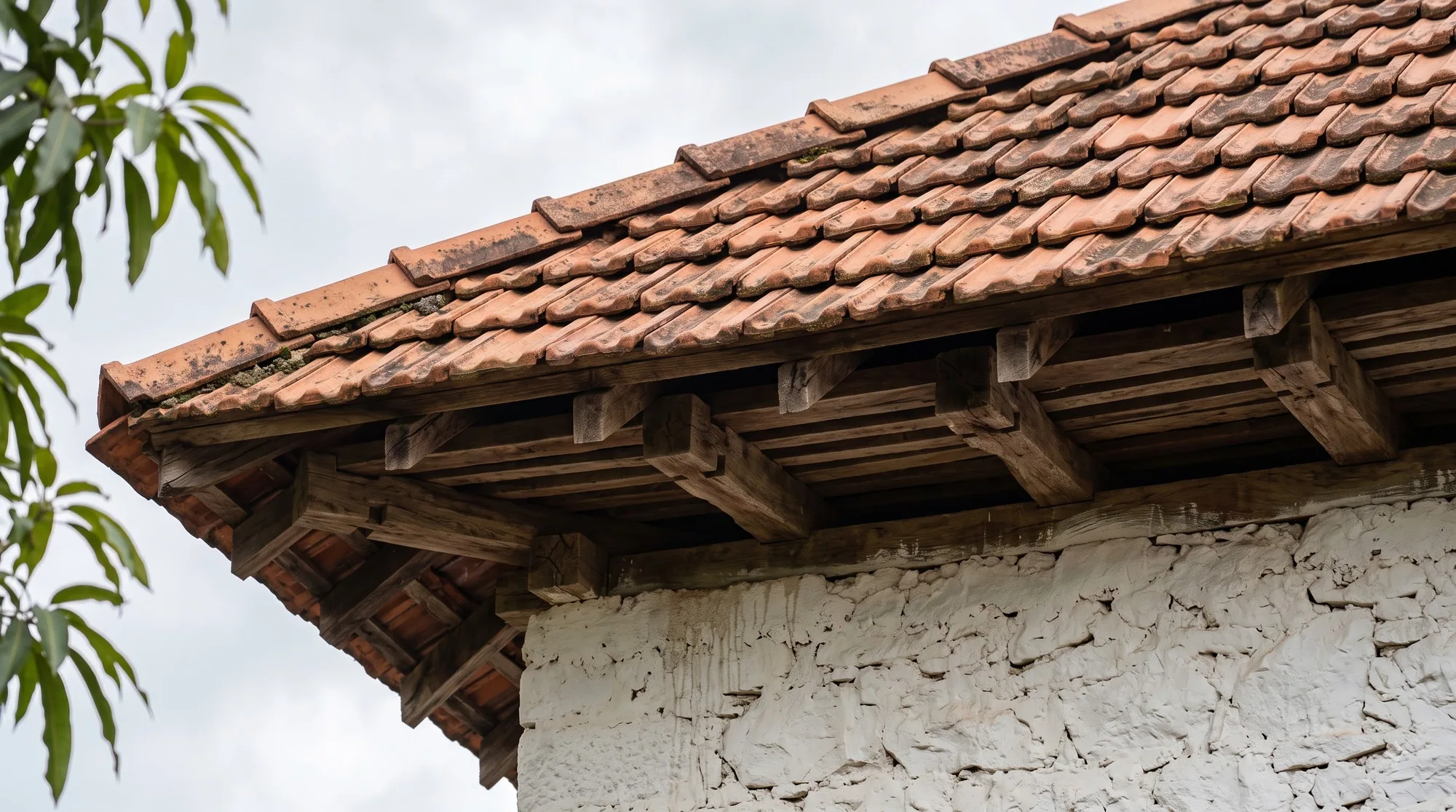
Thermal buffering, low conductivity.
Roofing chosen to buffer heat and support ventilation, easing the load on the spaces below.
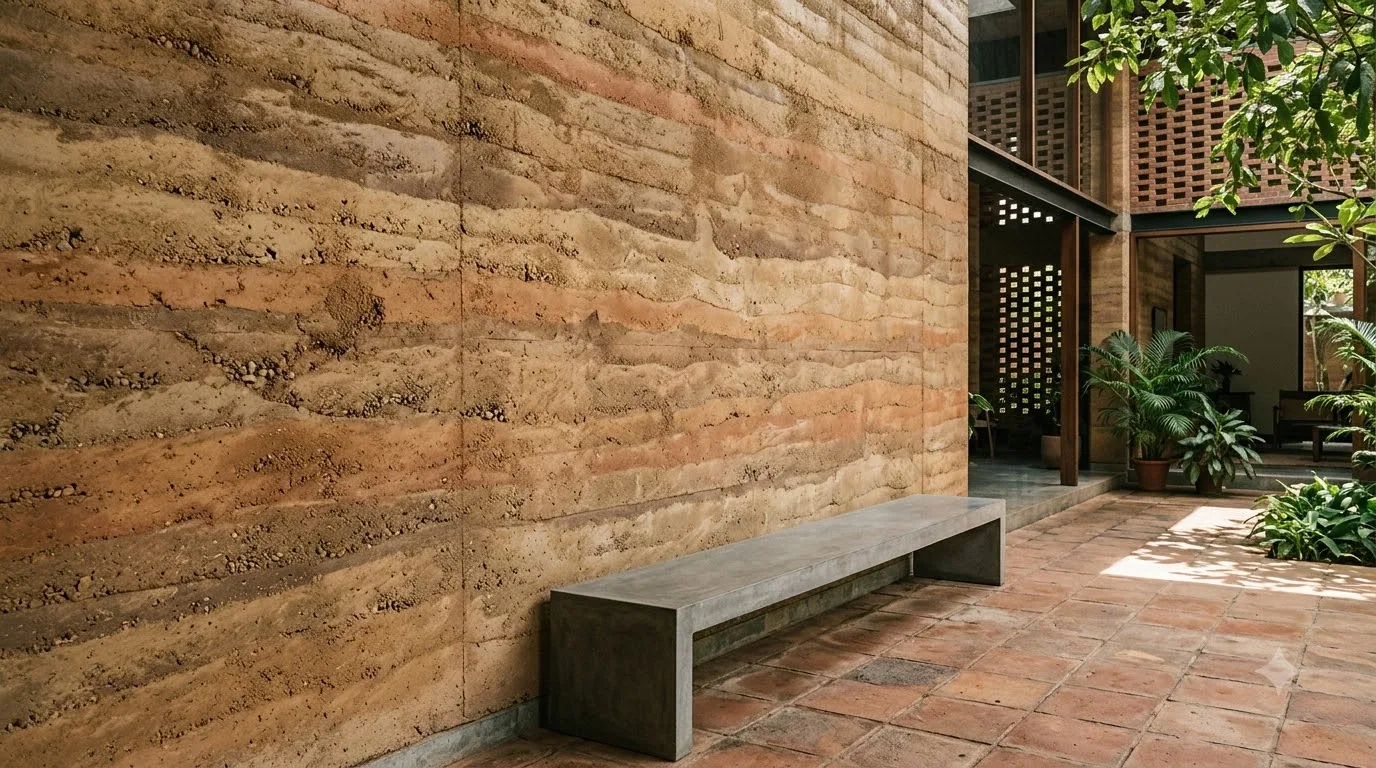
Building with the ground itself.
Earth-based methods draw on traditional construction knowledge and the material already on site.
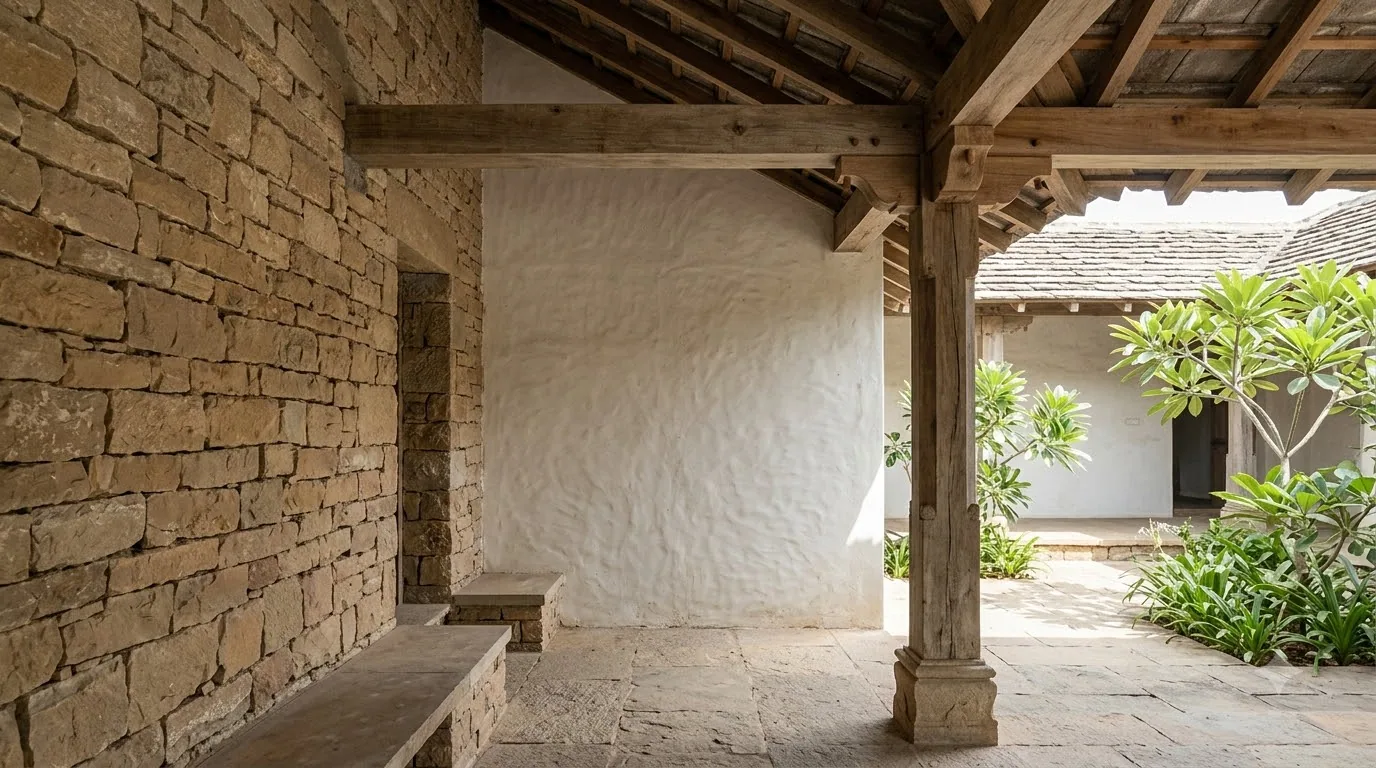
Knowledge that has already stood the test of time.
Traditional techniques are studied not for nostalgia, but for what they still do better.
Orientation, thermal mass, breathability and daylight reduce a building’s dependence on mechanical systems — comfort designed in, not powered in.
We weigh how a building behaves over decades: how it ages, how it holds temperature, how it endures its climate — not just how it looks on day one.
Building sustainably is harder than building conventionally. We’re open about the realities — because navigating them well is exactly what 24+ years of practice is for.
“The question is not what is cheaper today — but what performs better over time.”
If you want a space that performs responsibly long after it’s built, let’s talk about how sustainable architecture can work for your project.